Commercial Applications of Solar Cells: Global Practices and Real-World Success Stories
As the world accelerates its transition toward low-carbon energy systems, solar cells have evolved from a niche experimental technology into a mainstream power source deployed across continents. Over the past decade, continuous improvements in conversion efficiency, durability and manufacturing costs have turned photovoltaic systems into economically competitive solutions for governments, enterprises and communities alike. Today, solar cell applications extend far beyond large-scale power plants, integrating into urban infrastructure, agricultural landscapes, transportation networks and remote energy systems, demonstrating remarkable adaptability and practical value.
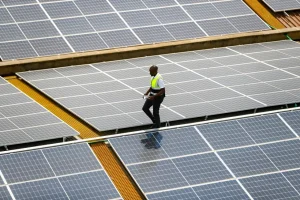
One of the most visible and influential commercial applications lies in utility-scale solar photovoltaic power stations, especially in regions with abundant solar radiation. Countries in the Middle East, for instance, have built some of the largest solar facilities in the world, taking full advantage of intense sunlight and vast open land. These projects not only generate massive amounts of clean electricity but also set new records for low electricity prices, proving that solar energy can compete with traditional fossil fuel power generation without heavy subsidies. Many of these stations use high-efficiency bifacial modules and tracking systems to capture sunlight throughout the day, significantly boosting overall energy output. Such large-scale developments have become cornerstones of national energy strategies, helping reduce reliance on natural gas and oil while cutting carbon emissions substantially.
In urban environments, solar cells are increasingly integrated into building design through building-integrated photovoltaics, or BIPV. Unlike traditional rooftop solar panels, BIPV products replace conventional building materials such as glass facades, roof tiles and curtain walls. Prominent public buildings, railway stations and commercial complexes in Europe and East Asia have adopted thin-film and high-efficiency crystalline silicon solar cells to generate electricity on-site. This approach not only reduces a building’s external electricity demand but also enhances aesthetic design and thermal performance. Many modern green buildings now rely on solar energy to meet part of their daily electricity consumption, including lighting, ventilation and electronic equipment, creating self-sufficient and environmentally friendly urban spaces.
Another promising commercial area is agrivoltaics, which combines solar power generation with agricultural production. By installing solar panels at suitable heights and angles, farmers can continue growing crops or raising livestock underneath while generating renewable energy. This dual-use model optimizes land efficiency, reduces water evaporation from farmland and provides farmers with additional income streams. Projects across Germany, Japan and parts of North America have shown that agrivoltaic systems can maintain stable crop yields while producing reliable clean electricity, making them particularly valuable in regions with limited land resources.
Solar cells also play a critical role in off-grid and microgrid applications, especially on islands, in mountainous areas and in remote communities with limited access to traditional power grids. Many small island nations rely on diesel generators for electricity, which are expensive, polluting and logistically challenging to supply. By combining solar panels with energy storage systems, these locations can drastically reduce diesel consumption, lower energy costs and improve power reliability. Such systems support essential services including hospitals, schools and water treatment facilities, strengthening energy resilience in vulnerable areas.
Looking ahead, the commercial application of solar cells will continue to expand with advancements in next-generation technologies such as TOPCon, heterojunction and even emerging thin-film materials. As efficiency improves and costs decline further, solar energy will become even more deeply embedded in daily life, industry and infrastructure. From large power plants to small-scale distributed systems, solar cells represent a practical, scalable and sustainable solution to the global challenge of climate change and energy security. Real-world projects across the globe have already proven their commercial viability, laying a solid foundation for a cleaner and more sustainable energy future.
More Posts